
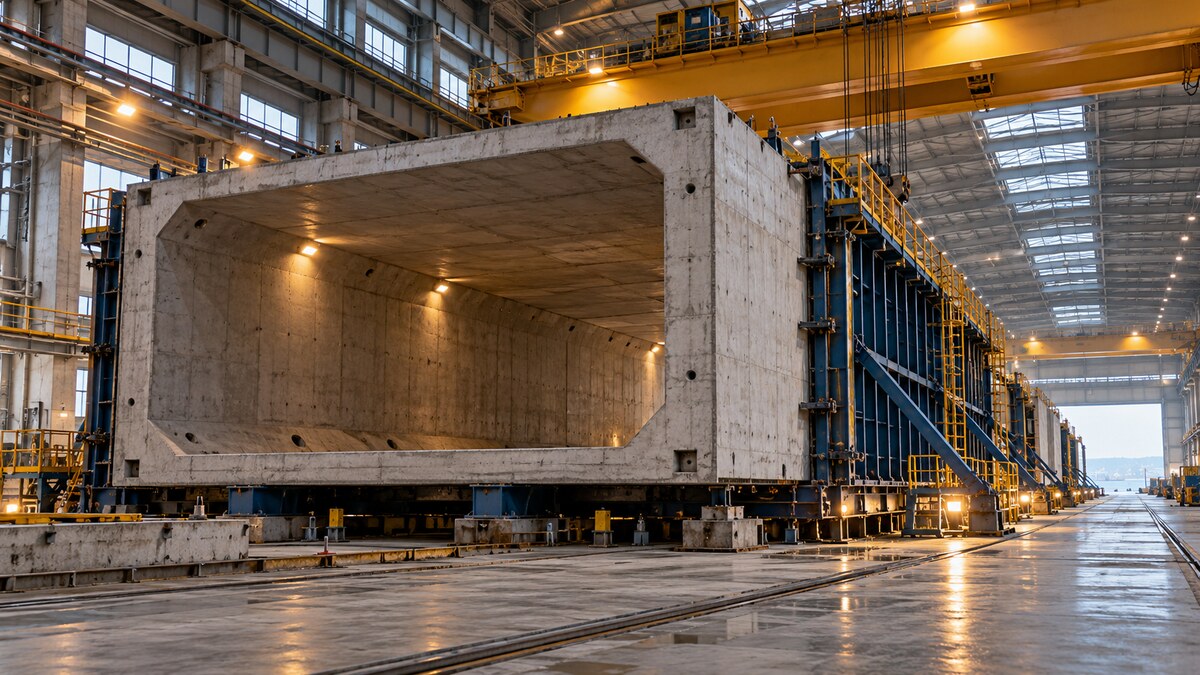
A Baltic crossing assembled from concrete elements
The Fehmarnbelt tunnel will connect Rødbyhavn on Lolland in Denmark with Puttgarden on Fehmarn in Germany. Its planned crossing times are seven minutes by train and ten by car, compared with a 45-minute ferry journey. In July 2024, the 18-kilometre project still had a 2029 opening forecast. Later construction and programme developments are dated separately below.
Femern spokesperson Denise Juchem attributed the choice of an immersed tunnel over bridge and bored alternatives to environmental, weather and cost advantages. Emergency lanes, separate directional road tubes, escape routes and round-the-clock control were planned. Markus Just, Femern’s tunnel design quality manager, identified maintenance basements as an innovation. Michael Løvendal Kruse of the Danish Society for Nature Conservation welcomed the potential for electric passenger and freight trains. These were design intentions and attributed expectations in the July 2024 interviews.
Starting with a single casting
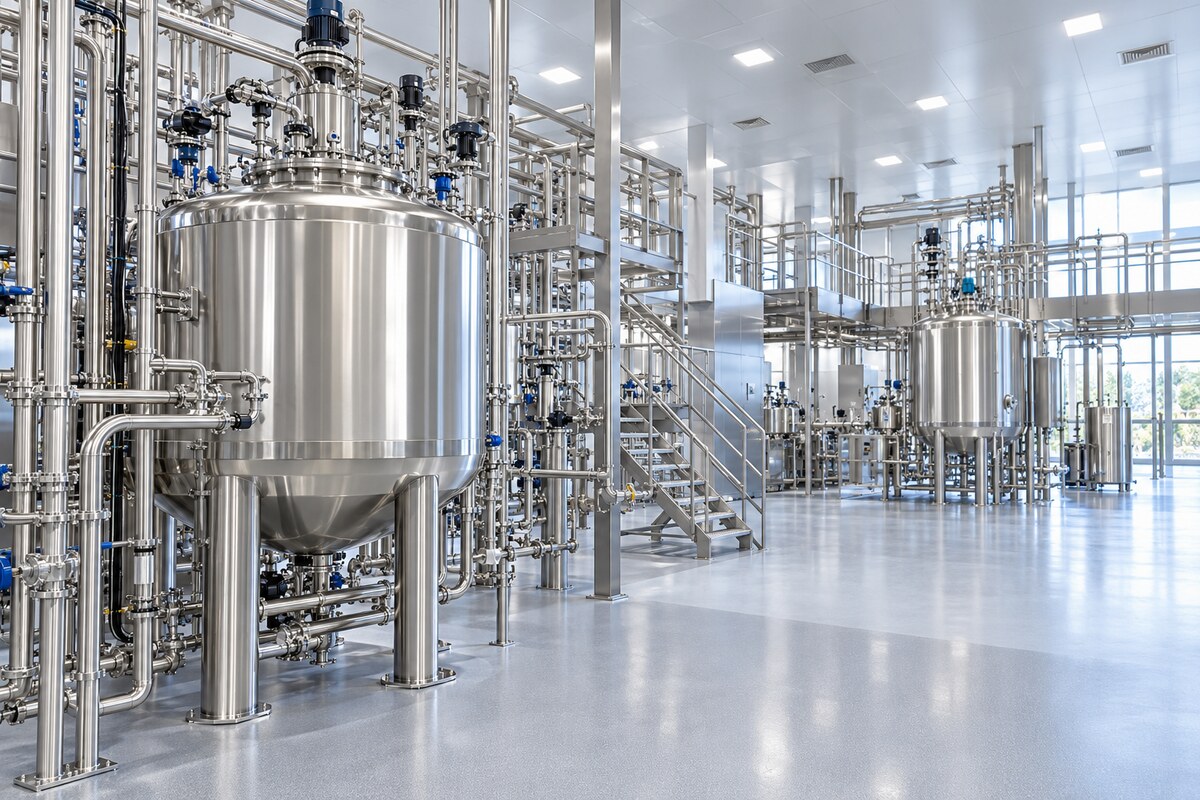
Femern Link Contractors, or FLC, began casting tunnel concrete in July 2023. A 140-person team carried out the first pour, producing a segment approximately 24 metres long. The factory at Rødbyhavn had been under construction for about two and a half years. Work on the manufacturing plant, harbour and portal preceded this first permanent part of a prefabricated tunnel element. The main contractor had built the production facility and then started making the units within it.

The standard design measures 217 metres long, 42 metres wide and nine metres high. Each standard element comprises nine cast segments, each approximately 24 metres long. Across the 79 standard elements, production therefore involves 711 segments. Ten additional elements have a different design for technical facilities. Technical director Jens Ole Kaslund marked the first casting as a transition from preparing the site to producing the tunnel itself. The July 2023 programme still anticipated a first immersion during 2024, an expectation that subsequent events superseded.
Completing an element before preparing it for water
By May 6, 2024, the first complete standard element had been cast. Its nine component segments now formed the full 217-metre structure. Casting was followed by a three-week curing period before the installation of steel bulkheads and ballast tanks. Those fittings were required for stability during immersion. Data collection and preparation were scheduled to continue through the end of May, while production of the following element was already approaching its own completion.
Henrik Vincentsen, then CEO of Femern A/S, described the first completed casting as a demonstration that the technology and methods worked together. FLC director Sébastien Bliaut emphasised the remaining task of making production of such large concrete structures routine. Experience from the first element was to be gathered systematically and incorporated into subsequent work. Completion of the concrete structure was therefore followed by curing, outfitting and review before marine installation; the May milestone did not mean that a tunnel section had already reached the seabed.

Floodable basins link the factory and harbour
Three large basins provide the water connection between the manufacturing halls and the work harbour. FLC began filling them on Sep 21, 2023, after more than two years of construction. Each basin is almost 11 metres deep; together they hold approximately 1.6 million cubic metres of water. Filling was gradual and controlled to protect the barriers between them. At the start of that operation, completing the filling was expected to take up to a week.
Large gates allow the dry dock and basins to be filled and emptied as required. A finished element can float out from the factory towards the harbour, from which it can be taken into the Fehmarnbelt. Anders Wede, Femern’s construction manager, identified the basins as a key link in the production system. Two large water-control gates were still being prepared when filling began. Six production lines served the factory, while this separate water-level system provided the transition from concrete manufacture on land to movement afloat.
Formwork and a movable harbour gate
MEVA supplied formwork expertise for the special elements on production line six, working with partner Rúbrica. The construction sequence separated the bottom trough, internal walls and slab of the mechanical and electrical level, the internal walls above, and the upper external walls and roof slab. Different formwork assemblies served those parts. MEVA also supplied systems for the six abutments at the three dry-dock portals, including shoring towers, climbing formwork and assemblies designed for the project.
A floating gate closes a dock portal so that the water level can be changed. Tugboats position the gate between the abutments. Its eight chambers and four heavy-duty pumps support filling or emptying the dock. The gate can move between the three portals according to which production line has a finished element available. The gate measures 50 metres wide and 21 metres tall, with a mass of 6,000 tonnes. The dock abutments are also approximately 21 metres high.
Excavating the receiving trench
Dredging of the 18-kilometre tunnel trench was complete by Apr 16, 2024, after almost three years of work. Fehmarn Belt Contractors, or FBC, brought together Boskalis and Van Oord for the operation. Its fleet reached as many as 70 work vessels at peak activity. Approximately 15 million cubic metres of seabed material were excavated. The ground ranged from soft clay to hard limestone, requiring equipment suited to different materials and depths rather than a single dredging method.
Trailing suction hopper dredgers, backhoe dredgers, grab dredge pontoons and boulder-clearance vessels took part. Glacial granite blocks created additional difficulties; one recovered boulder weighing 70 tonnes was placed on display beside the Rødbyhavn site. Most excavated material went behind coastal dykes as work progressed, creating 300 hectares of new land intended for nature and recreation, including beaches and walking trails. FBC still had work ahead after trench excavation, including removing the temporary dyke at the portal to prepare the approach for immersion.

A two-part vessel for different loads
IVY, the specialised immersion vessel, received Danish Maritime Authority approval after its final tests on Apr 2, 2026. Its two units, IVY 1 and IVY 2, hold opposite ends of a standard element and provide buoyancy during transport and installation. For the much shorter special elements, the two units join into a single vessel. The equipment was developed for this project and had undergone a lengthy testing sequence before it could begin the first immersion preparations.
Immersion equipment
- IVY’s equipment includes 23 kilometres of steel wire distributed across 66 winches.
- The immersion system can lower elements to depths of up to 40 metres.
- An even gravel foundation provides the prepared surface beneath an element.
Additional ballast concrete is placed inside an element before it is transported to the trench, making it heavy enough to sink under controlled handling. In April 2026, preparations covered the first part of the trench and the work-harbour jetty. Approval of the vessel allowed FLC to proceed towards installation.
The first connection beneath the water
By May 8, 2026, the first 217-metre element had been immersed, installed and connected to the Danish portal. IVY 1 and IVY 2 carried it out from the work harbour after carefully releasing the moorings. The tow covered 1.7 kilometres before approaching the shallow part of the tunnel trench. A high-precision alignment system guided positioning above the gravel foundation, where the element was brought into its permanent connection with the portal.

The installation created a watertight joint between the tunnel sections. Locking fill was then placed immediately alongside the newly installed element to stabilise it against possible wave impact. The factory had already produced concrete elements before this marine milestone; towing, alignment, connection and stabilisation were the subsequent installation activities.
Technical hubs with a lower floor
The first special element emerged from its casting area in October 2024. At 21,000 tonnes, it contained two levels: a basement for electrical installations and an upper level for the separate road and railway passages. A motorway lay-by gives maintenance staff somewhere to park and reach the basement without stopping in a traffic lane. Ten such hubs are planned along the crossing, concentrating equipment at intervals of approximately two kilometres instead of distributing it along the entire tunnel.
Its casting sequence resembled successive parts of a building: basement first, then walls and finally the roof. The first special element took just over a year to cast. By Oct 21, 2024, the second element’s basement was already being cast, while five standard elements had been completed on the other production lines. Kaslund attributed reduced concrete requirements and seabed excavation to the hub arrangement. The contemporary expectation of installing the first special element in 2025 remained a forecast, rather than a completed milestone.
Testing a different buoyancy condition
Special elements require a different transport configuration from standard ones. Their 39-metre length, 47-metre width and 13-metre height include the basement below the traffic level. During transport, this deeper structure must ride higher in the water. Lifting more of it above the surface reduces buoyancy and increases the load carried by IVY. Before attempting the first special-element installation, the vessel underwent an additional load test to reproduce that more demanding handling condition.
By Sep 11, 2026, IVY had completed the rehearsal using the fourth standard element. An additional 1,600 tonnes was distributed between water bags on top of the structure and tanks inside it. The vessel had to lift that loaded element to the height required for transporting a special element. After the successful test, removal of the water bags could begin and preparations for the fourth standard element’s immersion could continue. The rehearsal demonstrated the handling load; it did not itself install the special element.
Power equipment beyond the concrete shell
Elecnor’s January 2023 traction-substation contract specified three 25-kilovolt transformers for railway traction, two 20-kilovolt transformers for the tunnel’s power supply and two load balancers. The power system was intended to serve both train operation and electrical equipment within the crossing. Elecnor also identified capacity for future electric transport uses, including vehicle charging stations. The work was its first contract in Denmark, adding a separate electrical package to the civil construction and marine operations.

The announced contract schedule ran from January 2023 to completion in 2028, followed by five years of maintenance. Those dates describe the programme announced at award, rather than completed equipment delivery. Land facilities on both sides form part of the connection, alongside the underwater structure. Railway approaches were to be electrified on either side of the crossing. Kaslund identified operation without carbon emissions as an objective at contract signing, separate from the emissions generated during construction.
European funding covers several interfaces
The European Union’s Connecting Europe Facility transport programme had committed more than €1 billion to the project by July 2024. Construction had started in June 2020. Support for the railway part came through both CEF I and CEF II. The funded work extended beyond track installation inside the tunnel: it included the element factory, tunnel portals, the interface with the hinterland railway connection and the trench in which the concrete units would be placed.
Two transformer stations, on the Danish and German sides respectively, and monitoring of construction’s environmental impact also fell within that funding scope. The CEF-supported works span manufacturing, marine construction, power and railway interfaces. The first element was inaugurated on Jun 17, 2024, before its marine installation. The ceremony celebrated a concrete unit already produced at the factory, while the completed first immersion followed in 2026.
Construction footprint and coastal compensation
The project’s recorded climate footprint for 2024 was 198,324 tonnes of carbon-dioxide equivalent. Its environmental monitoring recorded no breaches of the upper limits for sediment spill during that year. These are construction-period figures, separate from expectations about future electrified transport. Concrete and steel production, machinery and occupation of land all contribute to the project’s environmental effects. Sund & Bælt tracks the construction footprint and monitors the compensation habitats established around the works.
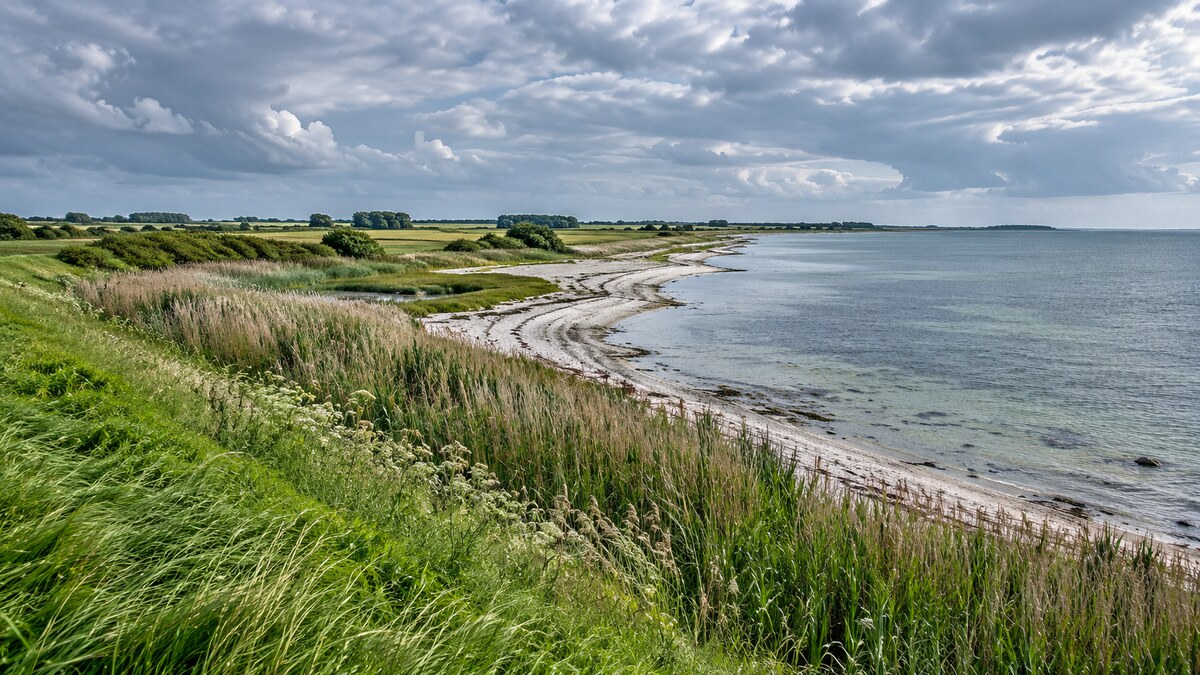
In 2024, 42 hectares of coastal agricultural land at Lidsø Gods were taken out of agricultural use and converted into wetlands beside an existing nature park. A separate 40-hectare nature area at Lungholm lake, east of Rødbyhavn, had been established four years earlier and became registered protected nature in 2024. More than 70 bird species inhabited that area. Ongoing monitoring follows the development of these habitats; the wetland area and the larger reclaimed coastal land are different parts of the environmental programme.
Road and rail acquire different opening programmes
On May 17, 2026, Sund & Bælt set out a revised approach to opening: road traffic first, railway services later once the necessary German land facilities were ready. Germany’s transport ministry had announced in July 2025 that its railway approaches could not enter service in 2029 as planned, principally because of lengthy and complex approval procedures. At the same time, the Danish-side construction programme was around two years behind schedule following difficulties with the specialised immersion vessel.

German approval conditions also limit underwater noise and specify where and when work can take place in German waters. Sund & Bælt warned that those restrictions made recovering lost time difficult and could cause further delays. CEO Mikkel Hemmingsen supported phased opening as a way to admit road traffic earlier and reduce complexity towards completion. A replacement schedule was to follow experience with the initial standard and special immersions and with the German conditions. The two-stage approach was a revised plan, without a firm opening date in that announcement.
Four installed elements, with production continuing
By Sep 28, 2026, the fourth standard element was in place south of Lolland. Nearly 900 metres of the eventual 18-kilometre tunnel had then been installed. Tugboats and IVY transported the elements from the work harbour, positioning each against the section already completed. The factory’s output at that date stood at 16 standard elements and three special elements cast. Those production totals were distinct from the four units that had actually been immersed.
The fourth element received the name Nykøbing Falster, after the Danish town between Zealand, Lolland and the Baltic region. Element names follow cities along the TEN-T Scandinavian–Mediterranean corridor, connecting Finland and Malta. With the fourth unit installed, the next planned operation was the first special element, then expected during autumn. Production of further units continued at Rødbyhavn while the marine team prepared for the next installation and its different basement geometry.



Leave a comment