
Equipment installation before first-stage output
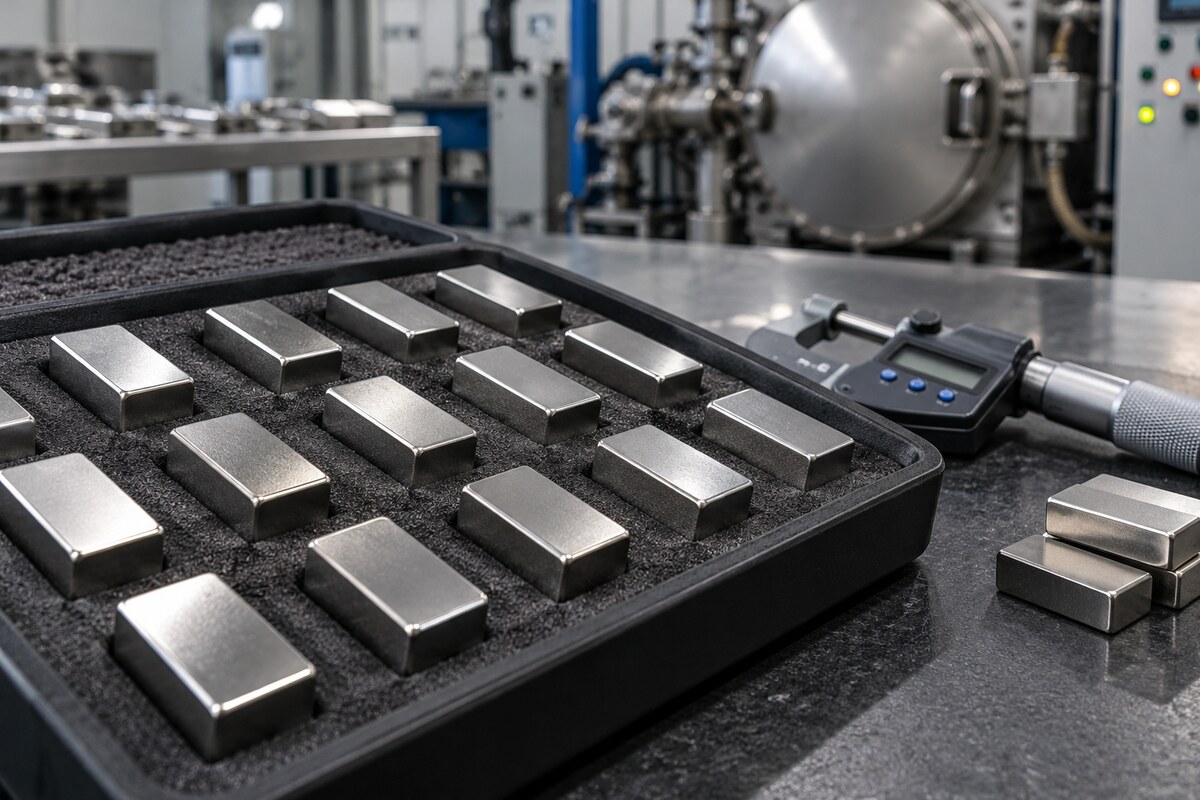
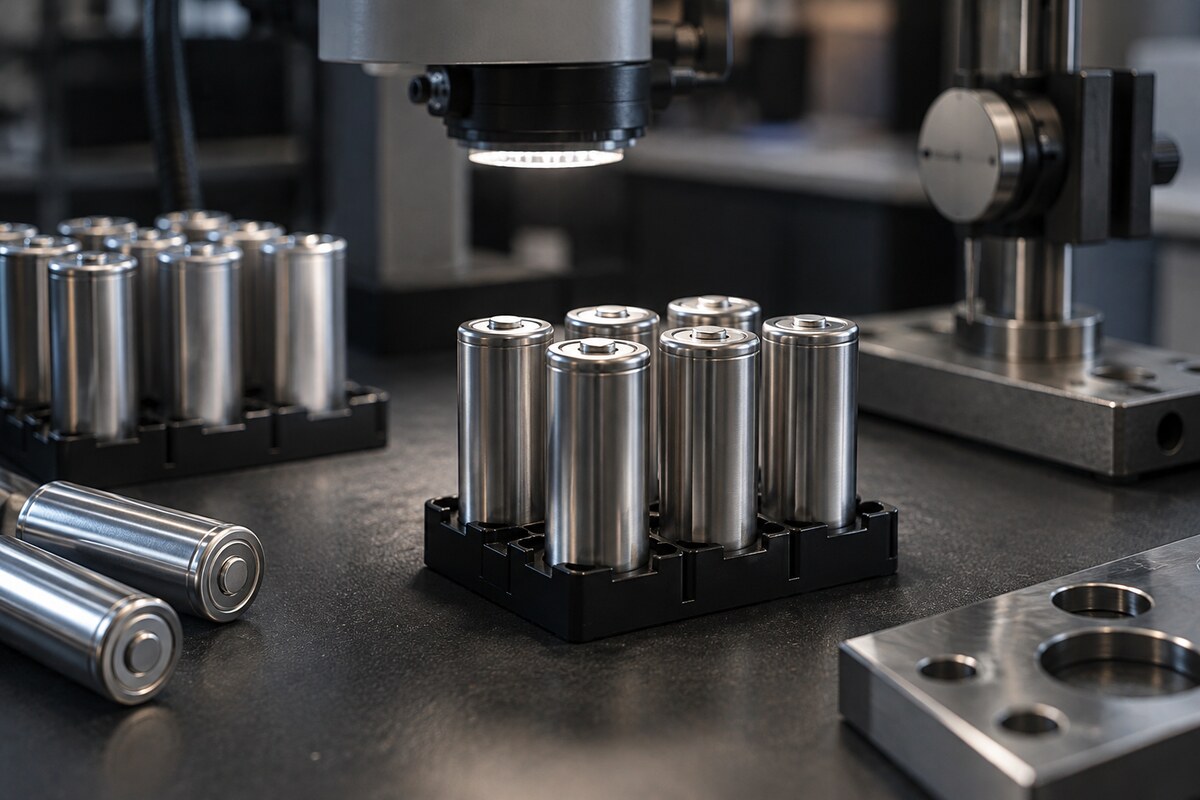
Rosatom plans to install equipment at its rare-earth magnet plant in Glazov, Udmurtia, in 2028 and develop first-stage production in the first half of 2029. Rosatom MetalTech chief executive Andrei Andrianov outlined the schedule at Magnetech-2026 on Oct 6. The initial stage targets 500 tonnes, followed by expansion to 1,000 tonnes.
Russia produced 284 tonnes of permanent magnets in 2025 against consumption of 610 tonnes, industry ministry official Konstantin Fyodorov told the conference. Those national figures cover permanent magnets, rather than output from the planned Glazov facility.
The project’s earlier agreement
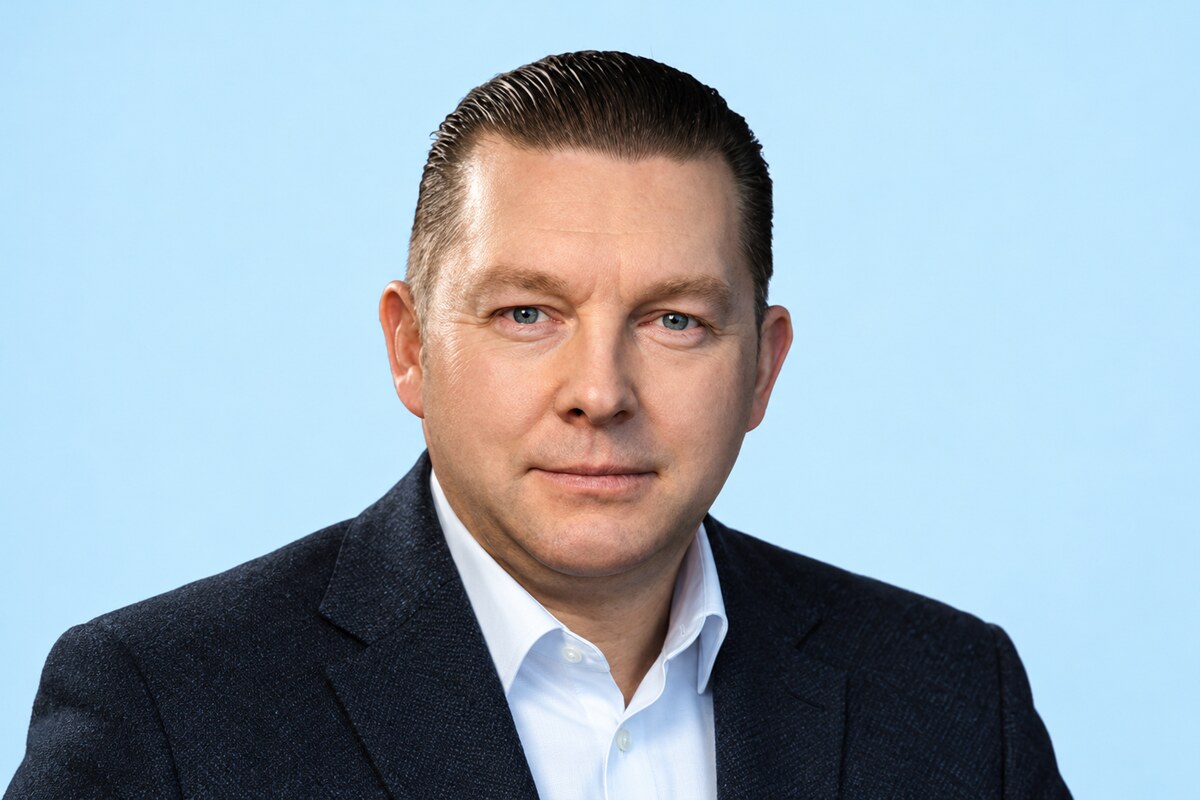
The Udmurt Republic, TVEL and Rusatom MetalTech signed their project-cooperation agreement at the St. Petersburg International Economic Forum on Jun 15, 2023. The signatories were regional head Alexander Brechalov, TVEL president Natalia Nikipelova and Andrianov. The initiative envisaged a full-cycle plant producing neodymium-iron-boron permanent magnets. Glazov already hosted TVEL’s Chepetsk Mechanical Plant, a metallurgy operation serving the nuclear industry.
The 2023 project announcement carried an earlier target exceeding 1,000 tonnes a year by 2028, with possible expansion to 3,000 tonnes after 2030. Brechalov then proposed a 20-hectare industrial park, potentially expanding to 60 hectares, and forecast more than 200 jobs. These were the agreement’s dated ambitions; Andrianov’s October 2026 schedule sets out the later first-stage plan.
A planned supply connection with Solikamsk
Solikamsk Magnesium Plant and Rosatom MetalTech subsequently agreed strategic cooperation on rare-earth materials. Their December 2025 announcement linked the upstream separation project with magnet manufacturing in Glazov. Alexander Stepanov, the magnesium plant’s investment and development director, and Rosatom MetalTech executive director Alexei Ponomaryov signed the agreement at the tenth Perm Engineering and Industrial Forum, attended by Governor Dmitry Makhonin.
At that announcement, Solikamsk Magnesium Plant was completing design work on a rare-earth separation complex whose first-stage design had passed state examination. The company planned approximately 2,500 tonnes of finished products annually after commissioning, including neodymium and praseodymium. That figure concerns the separation complex’s product range, not Glazov magnet tonnage.

Cooperation commitments
- purchases of magnetic-group rare-earth materials after the separation complex enters service;
- joint development of products using Solikamsk materials;
- recovery of rare-earth metals from MetalTech production waste.
Purchases remain conditional on commissioning
Rosatom MetalTech intended to purchase directly from the producer in agreed quantities and delivery periods once the separation facility was operational. Ponomaryov expected domestic rare-earth materials to broaden the available range of magnet-based products, including supplies for nuclear-industry organizations.
Target applications
Andrianov said Glazov would target electric cars and robotics with magnets incorporating additional heavy rare-earth elements. He placed these products in a relatively high price category. The announced volumes and commissioning timetable remain company forecasts.












Leave a comment